
Road signs in Malaysia — all types, with pictures and meanings
Every sign board below is shown the way it appears on Malaysian roads. The system is set by JKR (Public Works Department) and enforced under the Road Transport Act 1987. Signs fall into four families — regulatory (prohibition and mandatory), warning, guide and temporary — and a PSV driver is expected to read all of them instantly, at speed, in rain, with passengers on board.
How to read any Malaysian sign in one second
| What you see | Family | Meaning |
|---|---|---|
| Red circle or red octagon | Prohibition | Something is forbidden, or limited (speed). Obey exactly |
| Solid blue circle | Mandatory | An order — you must do what the arrow/symbol says |
| Yellow diamond | Warning | A hazard ahead — slow down and prepare |
| Orange diamond | Temporary warning | Roadworks conditions — temporary signs override permanent ones |
| Inverted triangle | Give way | Yield to traffic on the road you are joining |
| Green rectangle | Guide — expressway | Directions and distances on tolled expressways (routes E1, E2…) |
| Blue rectangle | Guide — other roads | Directions on federal, state and municipal roads |
| Brown rectangle | Guide — tourism | Tourist attractions and places of interest |
Regulatory signs — Prohibition (Tanda Larangan)
Red means stop, don’t, or a limit. Breaking a prohibition sign is an offence, not a suggestion — and for a PSV driver it can also mean KEJARA points.
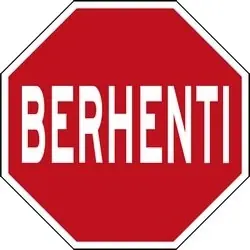 Stop — BerhentiRed octagon, impossible to mistake for anything else. Stop completely at the line or before the junction, every time — even at 3am on an empty road. Rolling through is the classic fail.
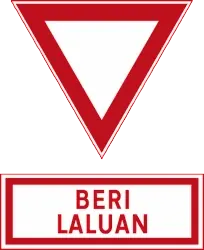 Give Way — Beri LaluanInverted triangle. Slow down, yield to traffic on the road ahead, stop if you must. At mini-roundabouts and slip roads this sign is your instruction.
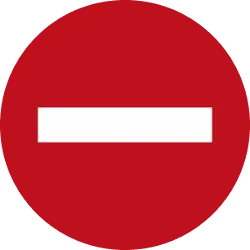 No Entry — Dilarang MasukRed disc with a white bar. Never drive past it — you would meet one-way traffic head-on.
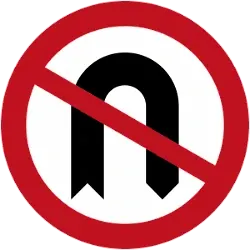 No U-TurnNo turning around at this junction or stretch. Common at traffic-light junctions and dual carriageways in city centres.
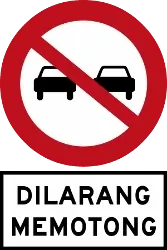 No OvertakingTwo cars, the red one behind the black — overtaking is prohibited here, usually because sight lines are short.
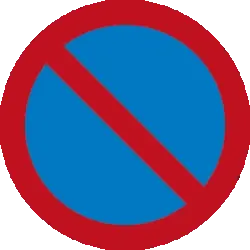 No Parking — Dilarang Meletak KenderaanBlue disc, one red slash over the P. You may stop briefly to pick up or drop off a passenger, but not park or wait. E-hailing drivers: this is a pick-up-and-go zone only.
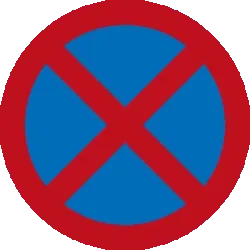 No Stopping — Dilarang BerhentiBlue disc, red cross over the P. Stricter: no stopping at all, even for a “quick” pick-up, except a genuine emergency. These guard junctions, bus stops and fire access.
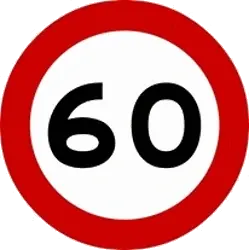 Speed LimitThe number inside the red ring is the maximum speed in km/h for that stretch — 60 here. Limits change by road and zone; the sign always wins over the general limit.
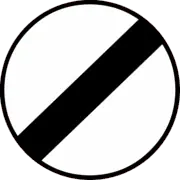 End of Speed LimitThe black slash ends the previous restriction. You return to the general limit for that road type — it is not an invitation to race.
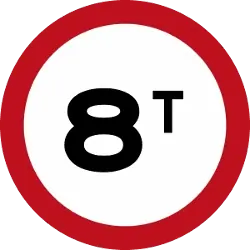 Weight LimitVehicles over the shown weight (8 tonnes here) must not pass — common on small bridges and town roads. Vital for van and bus PSV drivers.
Regulatory signs — Mandatory (Tanda Wajib)
Solid blue circles give orders: they tell you what you MUST do. There is no choice involved.
 Pass on the LeftPass the obstruction — a traffic island, roadworks, a divider — on the left side.
 Pass on the RightThe mirror image: pass on the right. Read the arrow, not your habit.
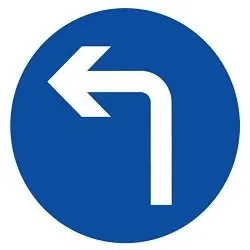 Turn Left OnlyTraffic must turn in the direction shown. Going straight on past this sign is an offence.
 Roundabout — Circulate as ShownBlue mandatory roundabout sign: circulate in the arrow direction and give way to traffic already on the roundabout from your right.
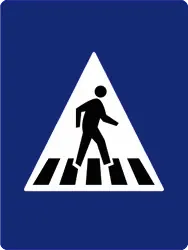 Pedestrian Crossing (information board at the crossing)The blue board you see at zebra crossings. Pedestrians have priority — for a PSV driver with passengers, brake early and gently.
Warning signs (Tanda Amaran)
Yellow (or orange at roadworks) diamonds warn you early. The professional response is always the same: ease off, look, be ready — before you reach the hazard.
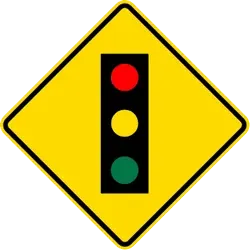 Traffic Lights AheadSignals around a bend or over a crest. Ease off so a red light never forces a hard stop with passengers standing or unbelted in the back.
 Sharp Bend AheadSlow down before the bend, not in it. Your entry speed decides everything.
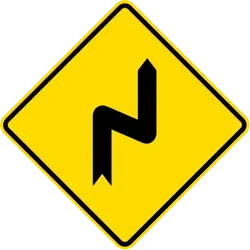 Double Bend AheadTwo bends in opposite directions. The first bend sets you up wrong for the second if you rush it.
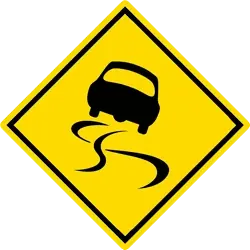 Slippery RoadSkidding car symbol. Oil, water or loose surface ahead — gentle steering, gentle brakes, bigger gaps.
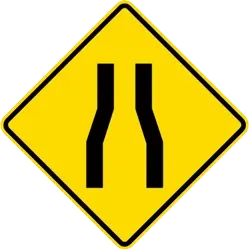 Road NarrowsThe carriageway narrows ahead. Position early, watch for motorcyclists filtering in the gap that is about to disappear.
 Crossroads AheadA junction with a road crossing yours. Expect vehicles pulling out — cover the brake.
 T-Junction AheadYour road ends at a T. Prepare to stop or turn; there is no straight on.
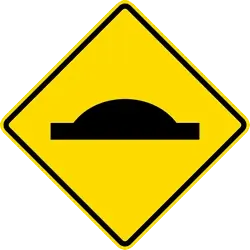 Road Hump AheadSpeed hump. Slow right down — hitting one at speed with elderly passengers is a complaint and an injury risk.
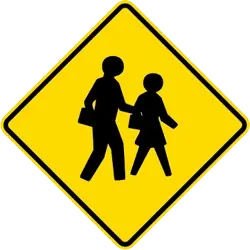 School CrossingChildren crossing near a school. Slow down, expect a child to run out between parked cars, especially at school start and finish times.
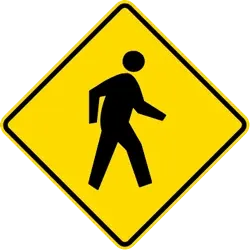 Pedestrian Crossing AheadWarning version before a zebra crossing you cannot yet see. Be ready to stop.
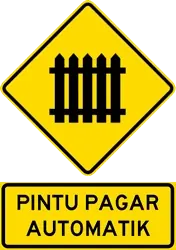 Level Crossing AheadRailway crossing. Look both ways, never stop on the tracks, and cross only when completely clear.
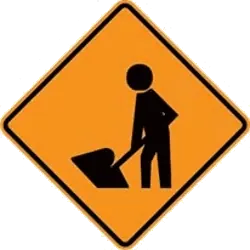 Roadworks Ahead (temporary)Orange means temporary. Expect lane closures, workers on foot, machinery, loose gravel and temporary lights. Follow the temporary signs over the permanent ones.
All Malaysian warning signs — complete gallery (66 signs)
Every warning sign in the Malaysian system, shown with the official-style board images used in JPJ study material. Warning signs are yellow diamonds (orange when temporary): they never order or forbid — they tell you what is coming so you can be ready for it.
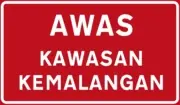 Accident AreaAwas — Kawasan Kemalangan — Red plate at an accident blackspot. Slow down and expect the unexpected.
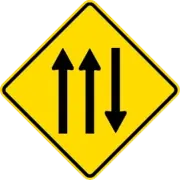 Ascending LaneLorong Menaik — An extra climbing lane begins for slow vehicles on the hill.
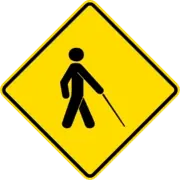 Blind Persons CrossingOrang Buta Melintas — Blind pedestrians cross here — be ready to stop.Road Hump AheadBonggol di Hadapan — Speed hump ahead. Slow right down, especially with passengers.
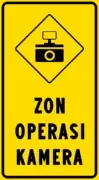 Camera Operation ZoneZon Operasi Kamera — Speed cameras operate here. The limit is enforced — obey it.
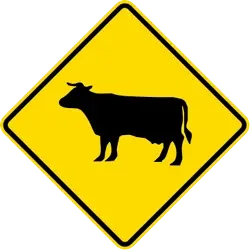 Cattle CrossingKawasan Melintasi Lembu — Livestock may wander onto the road, common in rural areas.
 CautionAwas — General warning — a hazard ahead that has no sign of its own.
 Chevron — Turn LeftTanda Chevron Kiri — Sharp change of direction: follow the chevrons to the left.
 Chevron — Turn RightTanda Chevron Kanan — Sharp change of direction: follow the chevrons to the right.CrossroadsPersimpangan Jalan — A road crosses yours. Expect vehicles pulling out — cover the brake.
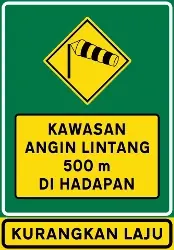 CrosswindsAngin Lintang — Strong side winds ahead (this board: 500 m). Grip the wheel firmly.
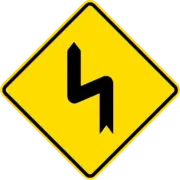 Double Bend — Left FirstDua Lekuk Berbahaya — Kiri Dahulu — Two bends in opposite directions, the first to the left.Double Bend — Right FirstDua Lekuk Berbahaya — Kanan Dahulu — Two bends in opposite directions, the first to the right.
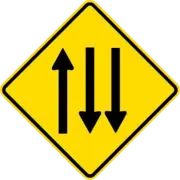 Descent LaneLorong Keturunan — Descending lane arrangement ahead on a steep downhill stretch.
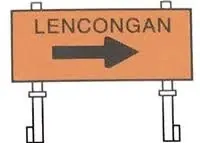 DetourLencongan — Traffic is diverted. Follow the temporary route boards.
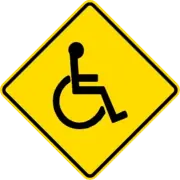 Disabled Persons CrossingOrang Kurang Upaya Melintas — Wheelchair users cross here — give them time and space.
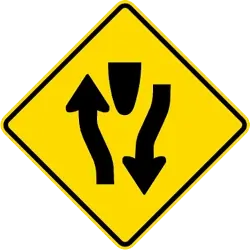 Divided Road BeginsJalan Berpecah Bermula — The road splits into a dual carriageway ahead.
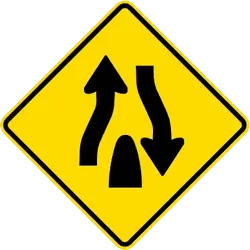 Divided Road EndsJalan Berpecah Berakhir — The dual carriageway ends — two-way traffic resumes.
 DrawbridgeJambatan Boleh Angkat — A bridge that opens for boats. Stop when the signals say so.
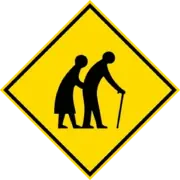 Elderly Persons CrossingOrang Tua Melintas — Elderly pedestrians cross here. Patience — let them cross fully.
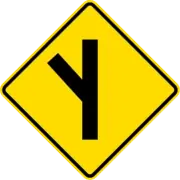 Oblique Junction — LeftPersimpangan Serong Kiri — A side road joins yours at an angle from the left.
 Oblique Junction — RightPersimpangan Serong Kanan — A side road joins yours at an angle from the right.
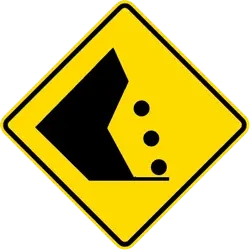 Falling RocksKawasan Tanah Runtuh — Rockfall and landslide zone. Do not stop in the marked stretch.
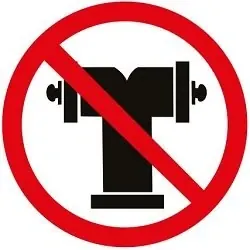 No Stopping — Fire HydrantPili Bomba — Keep this access clear at all times; stopping here is prohibited.
 Fog WarningAmaran Kabus — Fog ahead with limited visibility — headlights on, speed down.
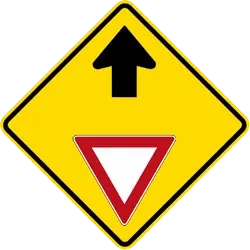 Give Way AheadBeri Laluan di Hadapan — A give-way junction is coming up. Prepare to yield.Give WayBeri Laluan — Yield to traffic on the road ahead. The triangle is never optional.
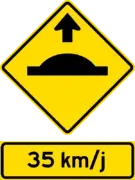 Road Hump Ahead (with speed plate)Bonggol di Hadapan — 35 km/j — Hump ahead with an advisory speed plate in km/j (km/h).
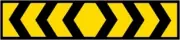 Chevron Alignment BoardPapan Chevron — Marks a sharp change of direction across a junction or barrier.
 Staggered JunctionPersimpangan Berselang — Side roads join first on one side, then the other.
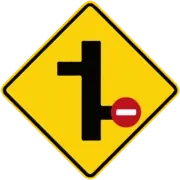 Junction Ahead — No Right TurnPersimpangan — Dilarang Belok Kanan — At the junction ahead, turning right is prohibited.Sharp Bend — LeftSelekoh Tajam Kiri — A sharp left bend. Slow down before it, not in it.
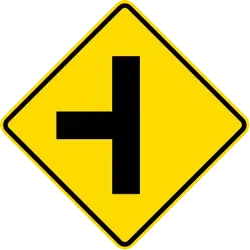 Side Road — LeftPersimpangan Kiri — A side road joins from the left. Watch for emerging traffic.Level Crossing with GatesLintasan Aras — Pintu Pagar Automatik — Railway crossing with automatic gates. Never zigzag around them.
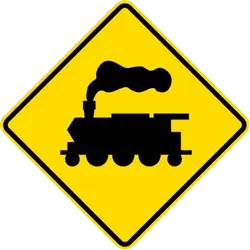 Level Crossing — TrainLintasan Aras — Railway crossing ahead. Look both ways before crossing.
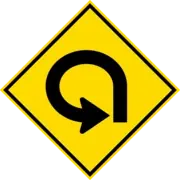 Loop AheadGelung di Hadapan — The road loops back on itself in a tight turn.
 Material on RoadBahan di Jalan Raya — Loose material on the surface — grip and braking are reduced.
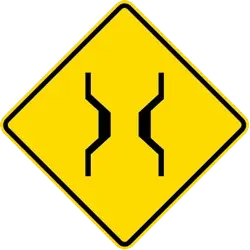 Narrow BridgeJambatan Sempit — The bridge ahead is narrow. Single file — give way as signed.
 Obstacles AheadHalangan di Hadapan — An obstruction pattern warns of a hazard or works area ahead.
 Pass Either SideLintas Kiri atau Kanan — You may pass the obstruction on either side.Pedestrian Crossing AheadLintasan Pejalan Kaki — A zebra crossing ahead. Be ready to stop for people crossing.
 PlaygroundTaman Permainan — Children playing nearby may run into the road.
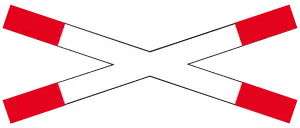 Railway Crossing MarkerLaluan Keretapi — Crossbuck marker at the crossing itself. Trains have absolute priority.
 Sharp Bend — RightSelekoh Tajam Kanan — A sharp right bend. Set your speed before the turn.
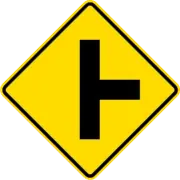 Side Road — RightPersimpangan Kanan — A side road joins from the right. Watch for emerging traffic.Road Narrows — Both SidesPenyempitan Jalan — The carriageway narrows from both sides ahead.
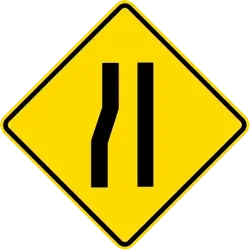 Road Narrows — One SideJalan Sempit Sebelah — The carriageway narrows on one side. Position early.Roadworks AheadKerja Jalan di Hadapan — Orange temporary sign: workers, machinery and lane changes ahead.
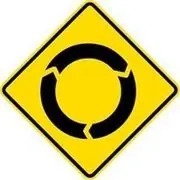 Roundabout AheadBulatan di Hadapan — Slow down; give way to traffic already circulating from your right.School CrossingMurid Sekolah Melintas — Children crossing near a school. The highest-alert warning for PSV drivers.
 Merging Traffic — LeftJalan Sisi di Kiri — Traffic merges into your road from the left.
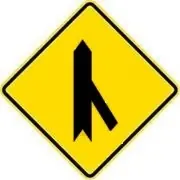 Merging Traffic — RightJalan Sisi di Kanan — Traffic merges into your road from the right.Slippery RoadJalan Licin — Low grip ahead — gentle steering, gentle brakes, bigger gaps.
 Soft ShoulderBahu Lembut — The road edge is soft. Keep wheels on the sealed surface.
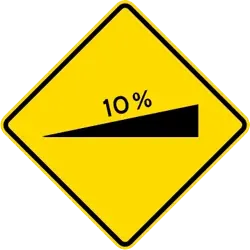 Steep AscentPendakian Curam — 10% — A steep climb (10% here). Use a lower gear early.
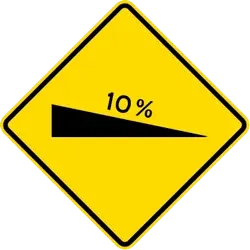 Steep DescentKeturunan Curam — 10% — A steep descent. Engine braking — do not ride the brakes.
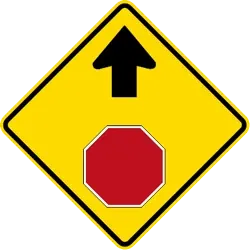 Stop AheadBerhenti di Hadapan — A STOP junction is coming. Prepare to stop completely.StopBerhenti — The red octagon. Stop fully at the line, every time.T-Junction AheadPersimpangan T — Your road ends at a T — prepare to stop or turn.
 Towing ZoneZon Penarik — Vehicles stopped here will be towed. Do not test it.Traffic Lights AheadLampu Isyarat di Hadapan — Signals ahead. Ease off so red never forces a hard stop.
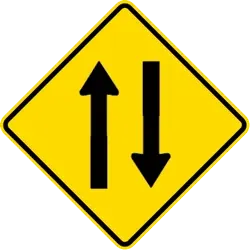 Two-Way TrafficTrafik Dua Hala — Oncoming traffic shares your carriageway from here.
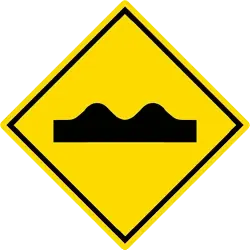 Uneven RoadPermukaan Jalan Tidak Rata — Rough, bumpy surface ahead. Slow down for passenger comfort.
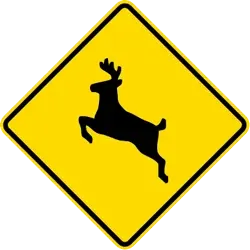 Wild Animals CrossingHaiwan Liar Melintas — Wild animals may cross — deer here; elephants in some states.
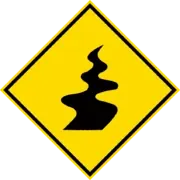 Winding RoadJalan Berliku — A series of bends ahead. Settle into a rhythm, no rushing.
 Y-JunctionPersimpangan Y — The road forks in a Y. Choose your side early and signal.
Sign board images: Drive in Malaysia, an open educational resource shared under CC BY 4.0. Meanings summarised from the Malaysian Highway Code (Buku Undang-Undang Jalan Raya) for study purposes.
All Malaysian prohibition signs — complete gallery (23 signs)
Red means forbidden or limited. Every prohibition sign in the Malaysian system, with the official-style boards:
No EntryDilarang Masuk — Never drive past this sign — traffic may be coming the other way.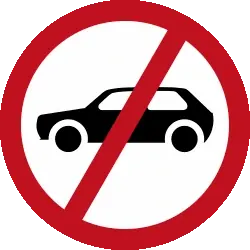 No Entry for CarsTiada Kemasukan untuk Kereta — Cars are prohibited beyond this point.
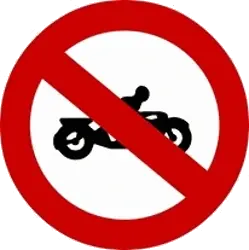 No Entry for MotorcyclesTiada Kemasukan untuk Motosikal — Motorcycles may not enter.
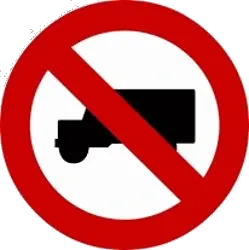 No Entry for TrucksTiada Kemasukan Trak — Goods vehicles are prohibited here.
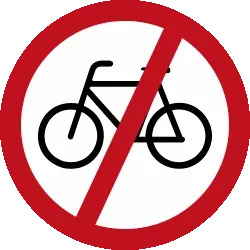 No Entry for CyclistsTiada Kemasukan untuk Penunggang Basikal — Cyclists may not enter this road.
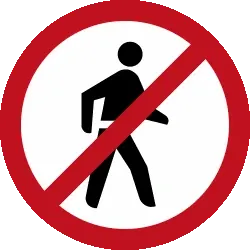 No Entry for PedestriansTiada Kemasukan untuk Pejalan Kaki — Pedestrians are prohibited — common on expressways.No U-TurnTiada Pusingan-U — No turning around at this junction or stretch.
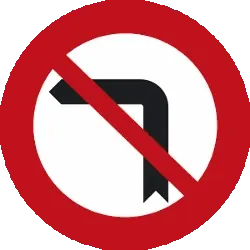 No Left TurnTidak Boleh Pusing Kiri — Turning left is prohibited here.
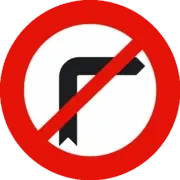 No Right TurnDilarang Belok Kanan — Turning right is prohibited here.No OvertakingDilarang Memotong — The plate says it plainly: overtaking is an offence on this stretch.Speed Limit 60Had Kelajuan 60 km/j — Maximum 60 km/h. The number in the red ring always wins.
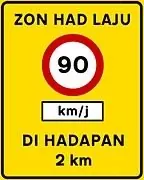 Speed Limit Zone AheadZon Had Laju di Hadapan — A signed speed zone (90 km/h here) starts within 2 km.
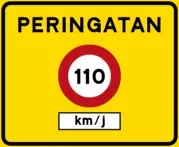 Speed Limit ReminderPeringatan Had Laju — Reminder board: the expressway limit is 110 km/h.
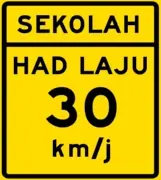 School Zone Speed LimitSekolah — Had Laju 30 km/j — School zone: 30 km/h. Children first, schedule second.End of Speed LimitTamat Had Kelajuan — The restriction ends; the general limit for the road applies again.No ParkingDilarang Meletak Kenderaan — Brief passenger pick-up or drop-off only — no parking or waiting.No StoppingDilarang Berhenti — No stopping at all except a genuine emergency.
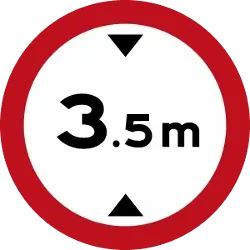 Height Limit 3.5 mHad Ketinggian 3.5 m — Vehicles taller than 3.5 m must not pass. Vital for bus drivers.Weight Limit 8 THad Berat 8 Tan — Vehicles over 8 tonnes must not pass — bridges and town roads.
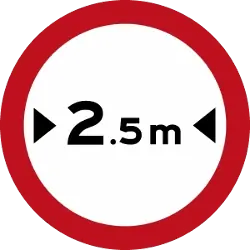 Width Limit 2.5 mHad Lebar 2.5 m — Vehicles wider than 2.5 m must not pass.
 No HonkingTidak Membunyikan Hon — Horns prohibited — hospitals, schools and quiet zones.
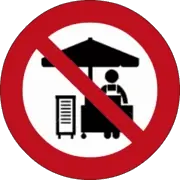 No HawkingTidak Menjaja — Street selling is prohibited at this junction or roadside.
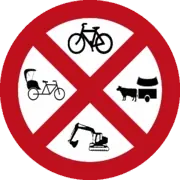 No Slow VehiclesTiada Kenderaan Perlahan — Bicycles, trishaws, carts and machinery are prohibited here.
All Malaysian mandatory signs — complete gallery (14 signs)
Solid blue circles give orders. Every mandatory direction and lane sign in the system:
Pass on the LeftLintas Sebelah Kiri — Pass the obstruction on the left side.Pass on the RightLintas Sebelah Kanan — Pass the obstruction on the right side. Pass Either SideLintas Kiri atau Kanan — You may pass on either side of the obstruction.
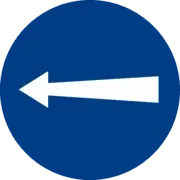 Keep LeftKekal di Kiri — Traffic must keep to the left.
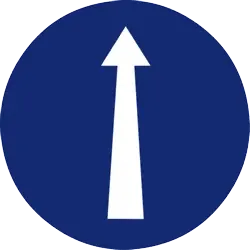 Ahead OnlyTerus Lurus — Straight on only — no turns.
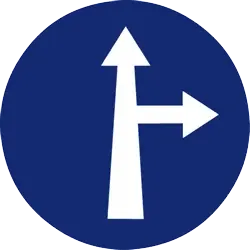 Ahead or Right OnlyTerus Lurus atau Kanan — You may go straight on or turn right — never left.Turn Left OnlyBelok Kiri Sahaja — Traffic must turn left.
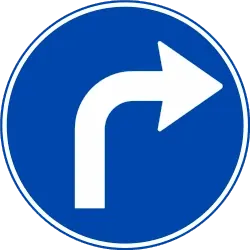 Turn Right OnlyBelok Kanan Sahaja — Traffic must turn right.
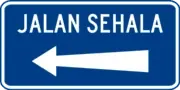 One WayJalan Sehala — All traffic flows in the arrow direction only.
 U-Turn Permitted HerePusingan-U — The signed place where a U-turn is allowed.
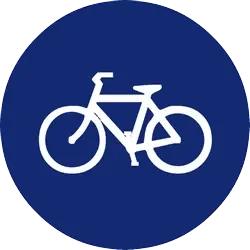 Cycle LaneLaluan Basikal — A lane reserved for cyclists. Keep out.
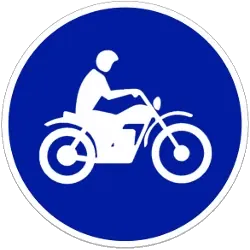 Motorcycle LaneLorong Motosikal — A lane reserved for motorcycles.
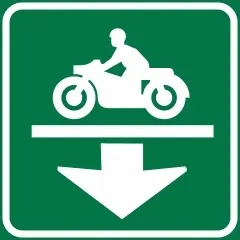 Motorcycle Lane — ExpresswayLebuhraya Lorong Motosikal — The separate motorcycle track on expressways.
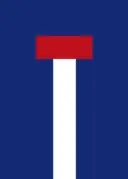 Dead End (information plate)Jalan Mati — No through road ahead — you must turn back.
Malaysian information signs — complete gallery (21 signs)
Blue and green boards for services, facilities and directions — the signs that plan your stops on long PSV routes:
Pedestrian CrossingPejalan Kaki Melintas — The blue board at zebra crossings. Pedestrians have priority.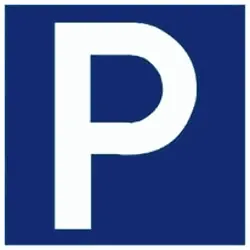 ParkingTempat Letak Kenderaan — Parking available here.
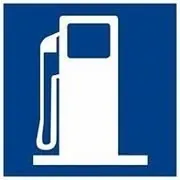 Petrol StationStesen Minyak — Fuel available ahead.
 HospitalHospital — Hospital nearby — drive quietly and expect ambulances.
 ClinicKlinik — Clinic nearby (red crescent symbol).
 AirportLapangan Terbang — Direction to the airport.
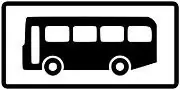 Bus StopPerhentian Bas — Bus stop ahead — expect buses pulling out.
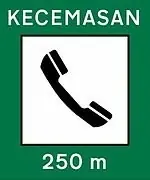 Emergency Telephone — SOSKecemasan — Emergency phone point (this board: 250 m).
 TelephoneTelefon — Public telephone available.
 Vehicle RepairPembaikan — Workshop or repair service available.
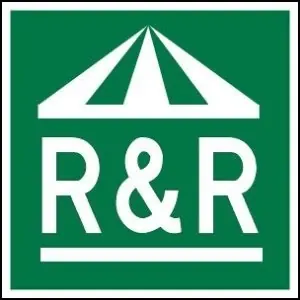 Rest & Recreation AreaR&R — Expressway rest area — food, fuel, surau and toilets.
 SurauSurau — Muslim prayer room available.
 Information CentrePusat Maklumat — Tourist or highway information point.
 UniversityUniversiti — University or college nearby.
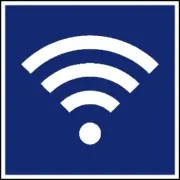 Wi-FiWiFi — Free Wi-Fi available at this stop.
 Touch ‘n GoSentuh ‘n Go — Touch n Go toll payment accepted or top-up available.
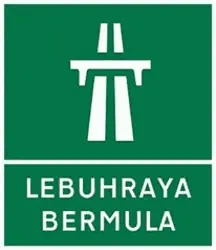 Expressway StartsLebuhraya Bermula — The tolled expressway begins here.
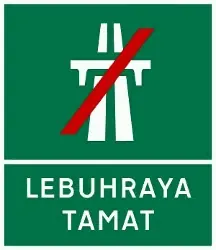 Expressway EndsLebuhraya Tamat — The expressway ends — toll rules and speeds change.
 Direction BoardTanda Arah — Blue federal-road direction board with route numbers and towns.
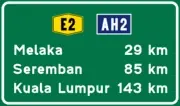 Expressway Distance BoardTanda Lebuhraya — Jarak — Green board: distances in km to towns along the expressway.
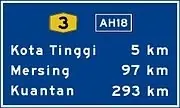 Federal Road Distance BoardTanda Jalan Persekutuan — Jarak — Blue board with route number and distances to towns.
Prohibition, mandatory and information sign images: Drive in Malaysia — Prohibition, Mandatory and Information signs, shared under CC BY 4.0.
Guide & direction boards
Guide boards carry words, not symbols. Colour tells you the class of road before you read a single word:
 Green — tolled expresswayWhite text, route shield (E1 = North–South Expressway northern route), distances in kilometres to exits and towns.
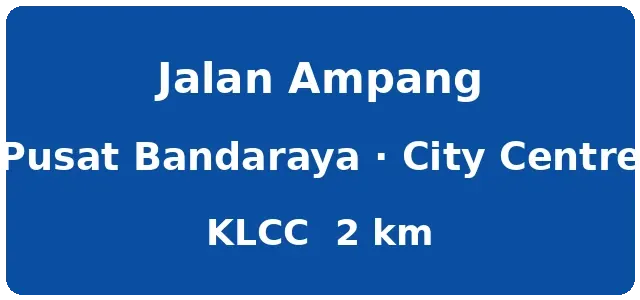 Blue — federal, state & town roadsUsed on non-tolled roads everywhere else in Malaysia, including city direction signs like this Jalan Ampang board.
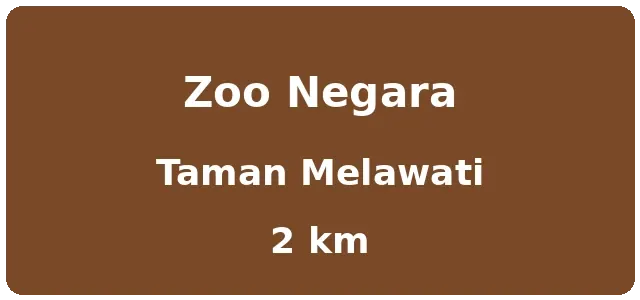 Brown — tourist attractionsZoos, museums, parks, heritage sites and other places of interest, with the distance to go.
The Malay words on signs — learn these first
| Bahasa Melayu | English | Where you see it |
|---|---|---|
| Berhenti | Stop | Stop lines, bus stops, enforcement signs |
| Beri Laluan | Give way | Give way triangle, junction markings |
| Dilarang | Prohibited / No… | Dilarang Masuk (no entry), Dilarang Berhenti (no stopping) |
| Awas | Caution / warning | Warning boards before hazards |
| Kurangkan Laju | Reduce speed | Before bends, schools, roadworks |
| Jalan Sehala | One-way street | City centres |
| Lencongan | Detour / diversion | Roadworks and closures |
| Keluar | Exit | Expressway exits, car parks |
| Perhentian Bas / Teksi | Bus stop / Taxi stand | Where PSV vehicles may legally wait |
The pairs everyone confuses
| Pair | Difference that matters |
|---|---|
| No Parking vs No Stopping | No Parking (one slash) still allows a brief stop to pick up or drop off. No Stopping (crossed slash) allows no stop at all. For an e-hailing driver, that difference decides where you can legally collect a passenger. |
| Stop vs Give Way | Stop means a complete stop, every time, even if the road looks empty. Give Way means slow down and yield — stop only if traffic requires it. |
| Prohibition vs Mandatory | Both are circles. Red borders forbid; solid blue orders. Mixing them up reverses the meaning of the sign. |
| Warning vs Temporary (roadworks) | Permanent warnings are yellow diamonds. Temporary roadworks warnings are usually orange — expect changed lanes, workers and loose surfaces. |
Speed limit signs
A speed limit sign shows the maximum for that stretch only. Malaysia’s general limits are 110 km/h on expressways and 90 km/h on federal roads, with lower limits in built-up areas — but the signed limit always wins. PSV drivers carrying passengers should treat the limit as a ceiling, not a target, especially in rain.
Ready to test yourself? Take the road signs test → or go for the full PSV practice test →
Want to practise in deep?
The complete PSV ebook has every traffic sign explained, the full licence process and extended practice sets. Real, quality content, one-time purchase.